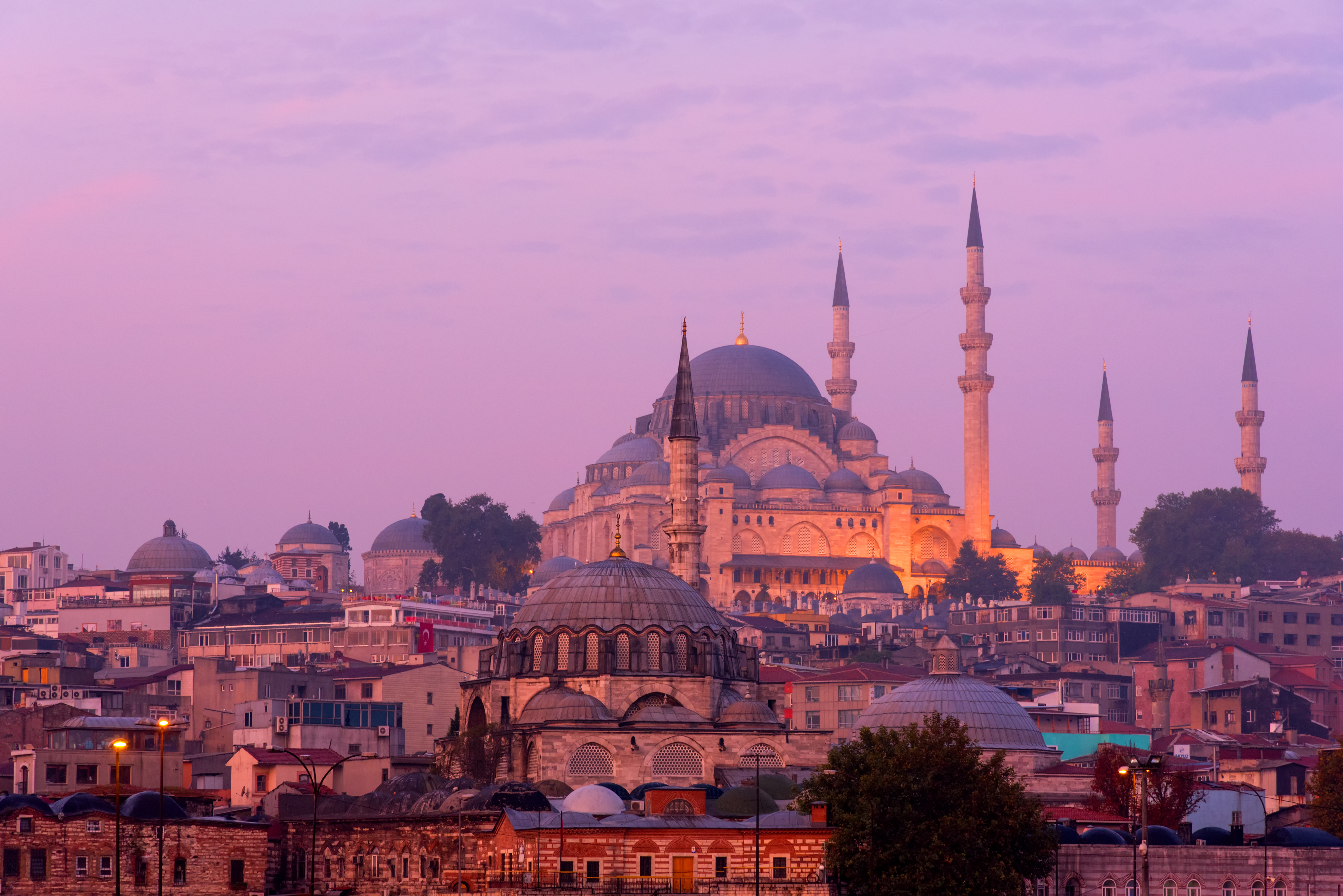

Istanbul is the only major city in the world that stretches across two continents. On the Galata Bridge, you can literally look one way and be in Europe, then glance the other way and face Asia, with ferries crossing the Bosphorus every few minutes as part of everyday life. It’s not just a cool fact—it shapes everything about the city’s culture, food, architecture, and atmosphere.
This is where East meets West in the most literal sense. Byzantine churches stand beside Ottoman mosques. Women in headscarves walk past women in miniskirts. Ancient Roman cisterns sit beneath busy streets, while centuries-old hammams operate next to modern cafés and boutiques. The call to prayer echoes across the skyline five times a day, and a few blocks away, nightlife keeps going until sunrise. It can feel chaotic, beautiful, and a little overwhelming, but that contrast between old and new is exactly what makes Istanbul one of the most fascinating destinations in the world.
In this Istanbul travel guide, you’ll find the best things to do in Istanbul—from the famous landmarks you can’t miss to local neighborhoods where you’ll experience the city beyond the typical tourist route. You’ll also get practical Istanbul travel tips, advice on where to eat, and how to explore the city like someone who actually lives there. Each of the activities has a link where you can get tickets to the landmarks.
1. Visit Hagia Sophia
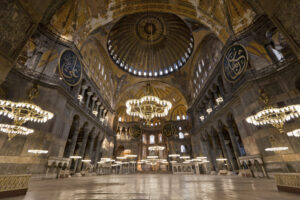
No list of the best places to visit in Istanbul is complete without Hagia Sophia. For nearly a thousand years, it was the largest cathedral in the world. Built in 537 AD during the Byzantine Empire, the massive dome still feels unbelievable when you stand beneath it.
What makes Hagia Sophia truly unique is its history. It has served as a church, a mosque, a museum, and now a mosque again. Inside, you’ll see Christian mosaics next to huge Islamic calligraphy panels, marble columns taken from ancient temples, and floors worn smooth by centuries of visitors. The building itself is a living timeline of Istanbul’s past.
Try to arrive right when it opens at 9 AM. By mid-morning, tour groups fill the space quickly. Entry is free since it functions as a mosque, but visitors must follow mosque etiquette. Women should cover their hair, shoulders, and knees, and everyone removes their shoes before entering. During prayer times, non-Muslim visitors wait in designated areas.
Plan to spend at least an hour here, especially if you enjoy photography or history.
Istanbul-Blue-Mosque-and-Hagia-Sophia-Small-Group-Tour
2. Explore the Blue Mosque (Sultan Ahmed Mosque)
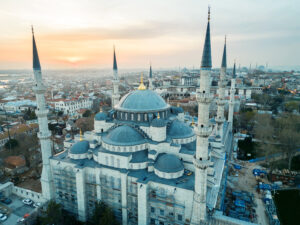
The Blue Mosque, officially called the Sultan Ahmed Mosque, is one of the most iconic landmarks in Istanbul. Built in the early 1600s, it’s famous for the tens of thousands of blue Iznik tiles that decorate the interior walls. When sunlight comes through the stained-glass windows, the entire space takes on a soft blue glow.
Since it’s an active mosque, there are dress and behavior guidelines. Shoulders and knees should be covered, and women need to cover their hair. Free scarves are available at the entrance if needed. Everyone removes their shoes before going inside.
Avoid visiting during prayer times, especially on Friday afternoons. The mosque closes to tourists about 30 minutes before each prayer and reopens afterward. Early morning or late afternoon are the best times to avoid crowds.
Also, ignore anyone outside offering “free” tours. They usually expect payment later or steer you into tourist shops.
PRIVATE-TOUR-Historical-and-Cultural-Highlights-of-Old-City-ISTANBUL
3. Wander Through Topkapi Palace
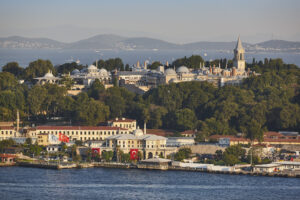
Topkapi Palace was the political and royal center of the Ottoman Empire for about 400 years. Sultans lived here, important decisions were made here, and entire dynasties shaped the region from within these walls.
The palace spreads across four courtyards filled with gardens, halls, and terraces overlooking the Bosphorus. Highlights include the Harem, where the sultan’s family lived, and the Treasury, which houses impressive jewels like the 86-carat Spoonmaker’s Diamond. There’s also a collection of sacred Islamic relics, including what’s believed to be the Prophet Muhammad’s cloak and sword.
Give yourself at least three hours to explore. The Harem requires a separate ticket, and both it and the Treasury get crowded, so visit them early.
To avoid long lines, buy tickets online or arrive when the palace opens. It’s closed on Tuesdays, so plan accordingly.
PRIVATE-TOUR-Historical-and-Cultural-Highlights-of-Old-City-ISTANBUL
4. Get Lost in the Grand Bazaar
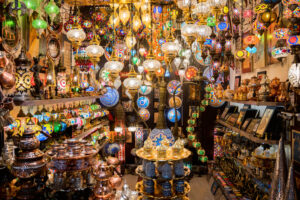
The Grand Bazaar is one of the oldest and largest covered markets in the world. With 61 streets and around 4,000 shops, it’s a must-see in any Istanbul itinerary. The bazaar has been operating since 1461, and wandering through it still feels like stepping into another era.
You’ll find Turkish ceramics, rugs, leather goods, jewelry, tea sets, spices, and souvenirs. Quality varies a lot, so take your time before buying.
Haggling is expected. Start at about half the asking price and negotiate from there. If the seller won’t budge, walk away—there’s a good chance they’ll call you back with a better offer.
The central covered halls have higher-quality shops, while the outer edges are more touristy. Exploring the smaller side streets usually leads to more interesting finds.
5. Take a Bosphorus Cruise
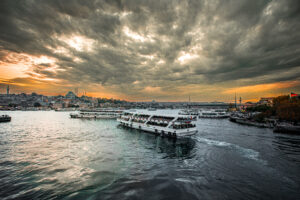
One of the best experiences in Istanbul is a Bosphorus cruise. It’s the easiest way to see how the city stretches between Europe and Asia while passing palaces, fortresses, and waterfront mansions.
You can choose between a public ferry or a tourist cruise. The public ferry, run by Şehir Hatları, is cheaper and more authentic. Locals use it as part of their daily routine. The long Bosphorus route runs from Eminönü to Anadolu Kavağı near the Black Sea and takes about 90 minutes each way.
Tourist cruises often focus on sunset or include dinner. If you want sunset views, those are a good option. Otherwise, the public ferry offers better value and a more local experience.
Along the way, you’ll see Dolmabahçe Palace, Ortaköy Mosque, the Bosphorus Bridge, Rumeli Fortress, and elegant waterfront mansions called yalıs.
6. Explore Balat’s Colorful Streets
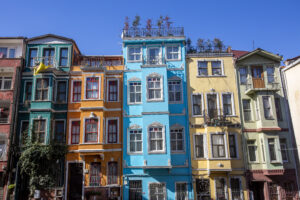
Balat is one of the most photogenic neighborhoods in Istanbul, known for its colorful houses and steep streets overlooking the Golden Horn, I like to call it the Instagram street. Historically, it was home to Jewish and Greek communities, and you can still see that influence in the architecture.
The bright red, yellow, and blue houses, along with street cats and laundry hanging from windows, give the area a charming feel. It’s popular on Instagram, so go early in the morning to avoid crowds.
There are also several cozy cafés and antique shops in restored buildings. Cafe Naftalin K is a well-known spot with vintage decor, and there are plenty of small restaurants for a relaxed lunch.
A good walking route starts at the Church of St. Stephen of the Bulgars and winds uphill through the colorful streets toward the Greek Orthodox Patriarchate in Fener.
7. Visit the Basilica Cistern
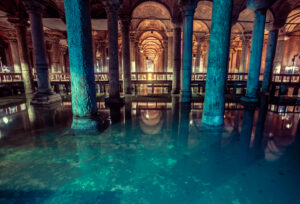
The Basilica Cistern is an underground Byzantine water reservoir from the 6th century. Inside, you’ll find rows of ancient columns rising out of shallow water, with soft lighting and a cool, quiet atmosphere.
Two of the columns rest on carved Medusa heads—one sideways and one upside down. No one is completely sure why they were placed that way.
It’s a short visit, usually around 30 minutes, but it’s one of the more atmospheric historical sites in Istanbul. If you enjoy architecture or history, it’s worth including in your itinerary.
Istanbul-Blue-Mosque-Hagia-Sophia-and-Basilica-Cistern-Tour
8. Climb Galata Tower
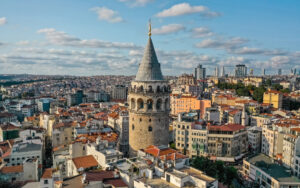
Galata Tower has been part of the Istanbul skyline since 1348. From the top, you get panoramic views of the Bosphorus, the Golden Horn, the historic peninsula, and the modern districts.
Sunset is the most popular time to visit, when the city is bathed in golden light. It’s also the busiest time, so expect lines. For fewer crowds, go early in the morning or later at night.
There’s an elevator partway up, but you’ll still need to climb a few stairs at the end.
Galata-and-Genoese-Afternoon-Walking-Tour
9. Browse the Spice Bazaar
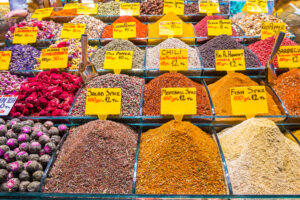
The Spice Bazaar, also known as the Egyptian Bazaar, is smaller and easier to navigate than the Grand Bazaar. It’s been operating since the 17th century and is filled with the scent of spices, teas, and sweets.
Popular items include sumac, pul biber, spice blends, saffron, dried fruits, nuts, Turkish tea, coffee, and Turkish delight. Many shops let you taste before you buy.
For food products, this is generally a better shopping spot than the Grand Bazaar. Look for stalls where locals are shopping, as those often have better quality.
It’s best to shop here toward the end of your trip so you’re not carrying bags of spices around the city.
I used public transport to get to this Spice Baazar (two buses and one train). Check Istanbul Metro for tickets if you decide to use the metro which I heavily advise as taxi drivers in Istanbul can be quite exhausting and frustrating.
Istanbul-Grand-Bazaar-and-Egyptian-Bazaar-Shopping-Tour
10. Take the Tünel or Tram to Taksim
The Tünel is the world’s second-oldest underground railway, running since 1875. It’s a short funicular ride that connects Karaköy to the Beyoğlu district, saving you a steep uphill walk.
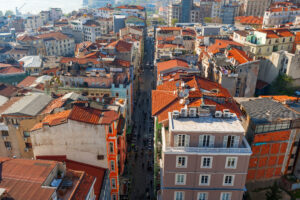
At the top, you’ll reach the southern end of Istiklal Street, one of the most famous streets in Istanbul. From there, you can ride the nostalgic red tram or walk the full length toward Taksim Square.
Taksim Square is the modern heart of the city, surrounded by shops, restaurants, and busy streets. Istiklal Street is great for shopping, dining, and people-watching. It gets crowded, especially on weekends, but the side streets branching off it often have more character, with quieter cafés and bars tucked away from the main flow.
Secret-Passages-of-Istanbul-and-Turkish-Coffee-Experience
These are some of the best things to do in Istanbul, whether it’s your first visit or a return trip. From historic mosques and palaces to local neighborhoods and scenic cruises, the city offers a mix of culture, history, and everyday life that’s hard to find anywhere else. Stay tuned to more posts about other cities in Turkey as well as accommodation and foods that make Istanbul an extra amazing experience.